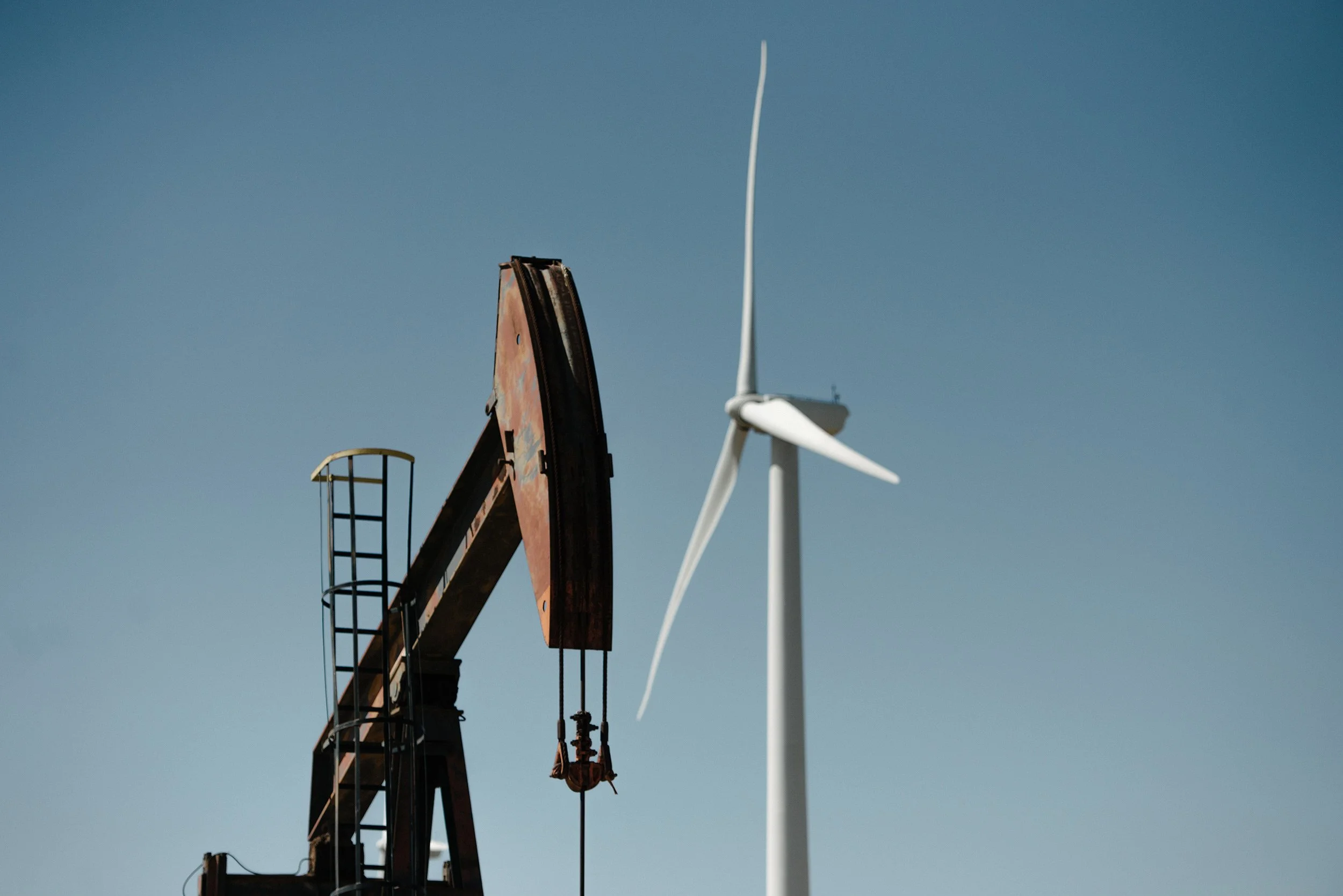
EDITORIAL DOSSIER
Energy in Transition
PAGE FOCUS:
Selected editorial and corporate assignments across renewable energy, shale production, engineering education, Gulf Coast infrastructure, exports, and regional energy economies.
RELEVANT EXPERIENCE
Editorial reporting, field access, environmental portraiture, industrial documentation, education and workforce storytelling, and visual coverage of complex energy systems.
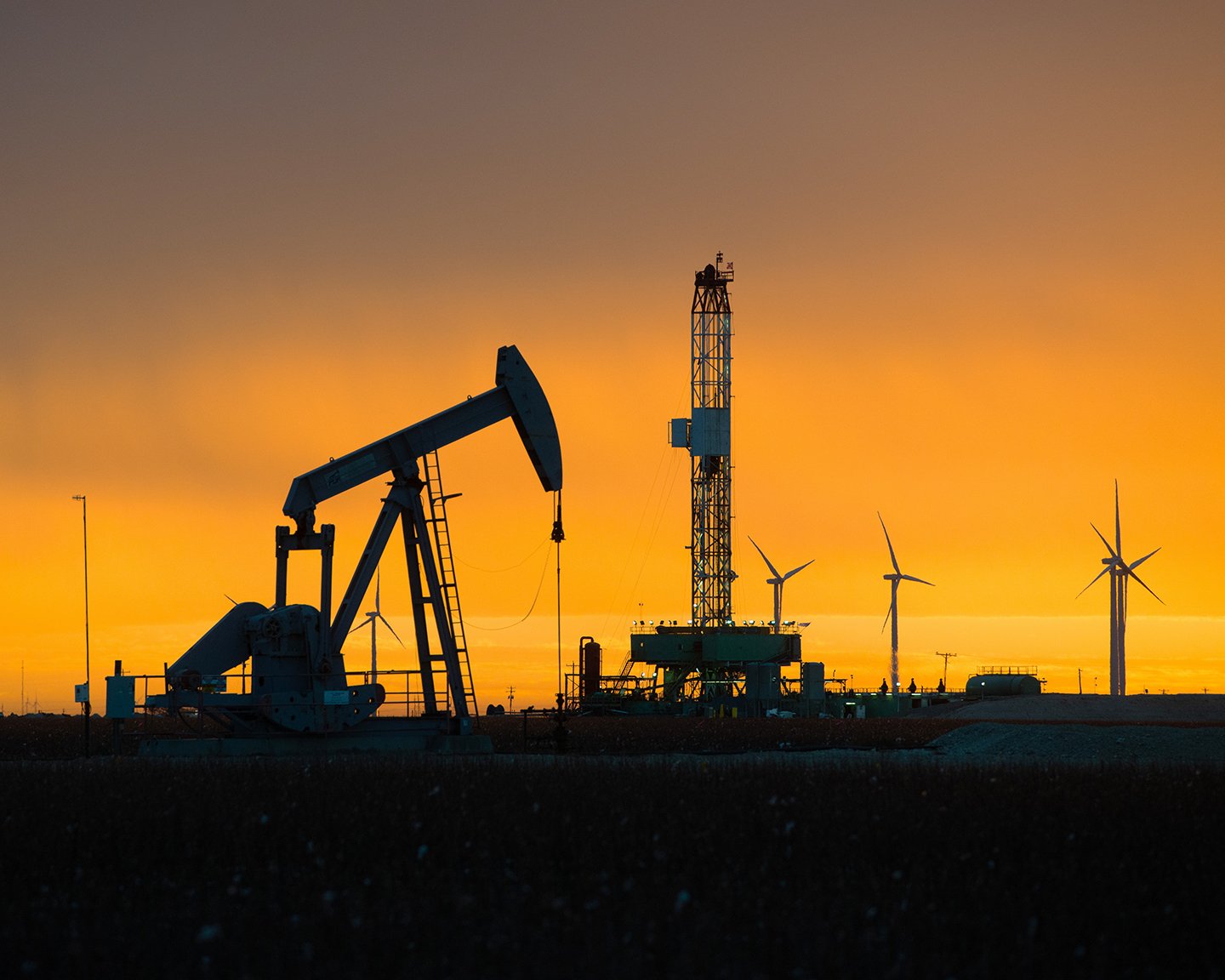
American energy has rarely moved in only one direction at a time. In the years I photographed these assignments, renewable work was becoming more visible across rural landscapes and former fossil-fuel communities, while shale production was reshaping the country’s relationship to oil, ports, exports, and global markets. Wind turbines, pumpjacks, engineering labs, export terminals, and student-built vehicles all belonged to the same larger story: a country trying to understand what its energy future would demand, and who would be asked to build it.
Across these stories, the transition was less a clean break than a rearrangement of work, knowledge, and place. Families shaped by coal, oil, refineries, and drilling found younger generations stepping into renewable jobs. Engineering students and recent graduates faced an industry whose needs were changing faster than its old promises. Along the Gulf Coast, the shale boom moved through pipelines, ports, and tankers, turning domestic production into an international logistics story.
ENERGY IN
TRANSITION
A visual record of workers, students, ports, and communities adapting to a changing American energy economy.
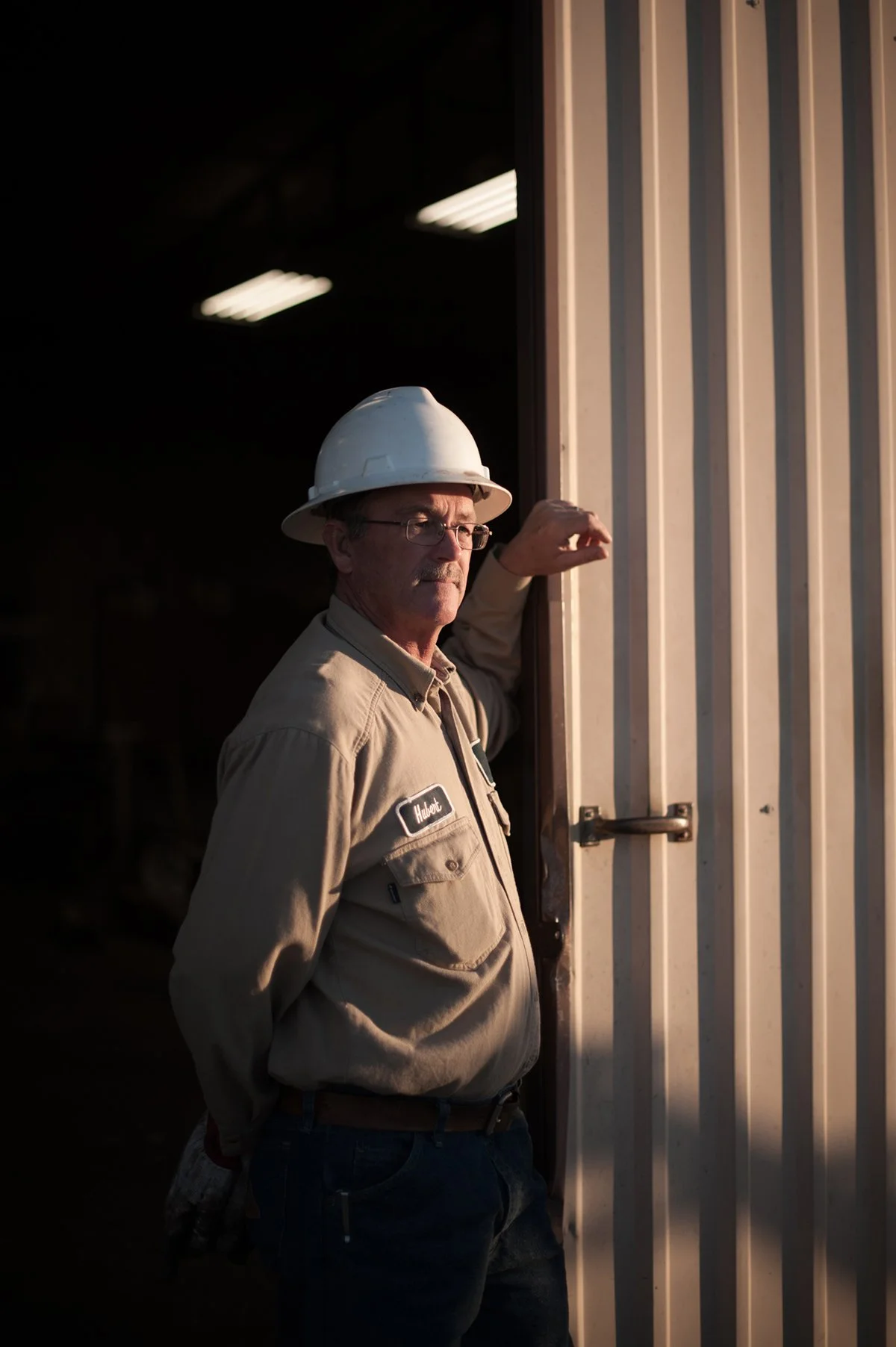
What interested me was not energy as an abstraction, or as a policy argument from a distance. It was the human evidence of change: a worker standing beneath a turbine, a student shaping a vehicle body in a lab, a port city adjusting to new flows of crude, a boomtown learning the cost of volatility, and communities where industry, weather, ambition, and memory often occupied the same frame. The photographs became a way of seeing energy as lived work — not only machinery and infrastructure, but people learning where they fit as the country’s energy story kept shifting beneath their feet.
CHAPTER ONE
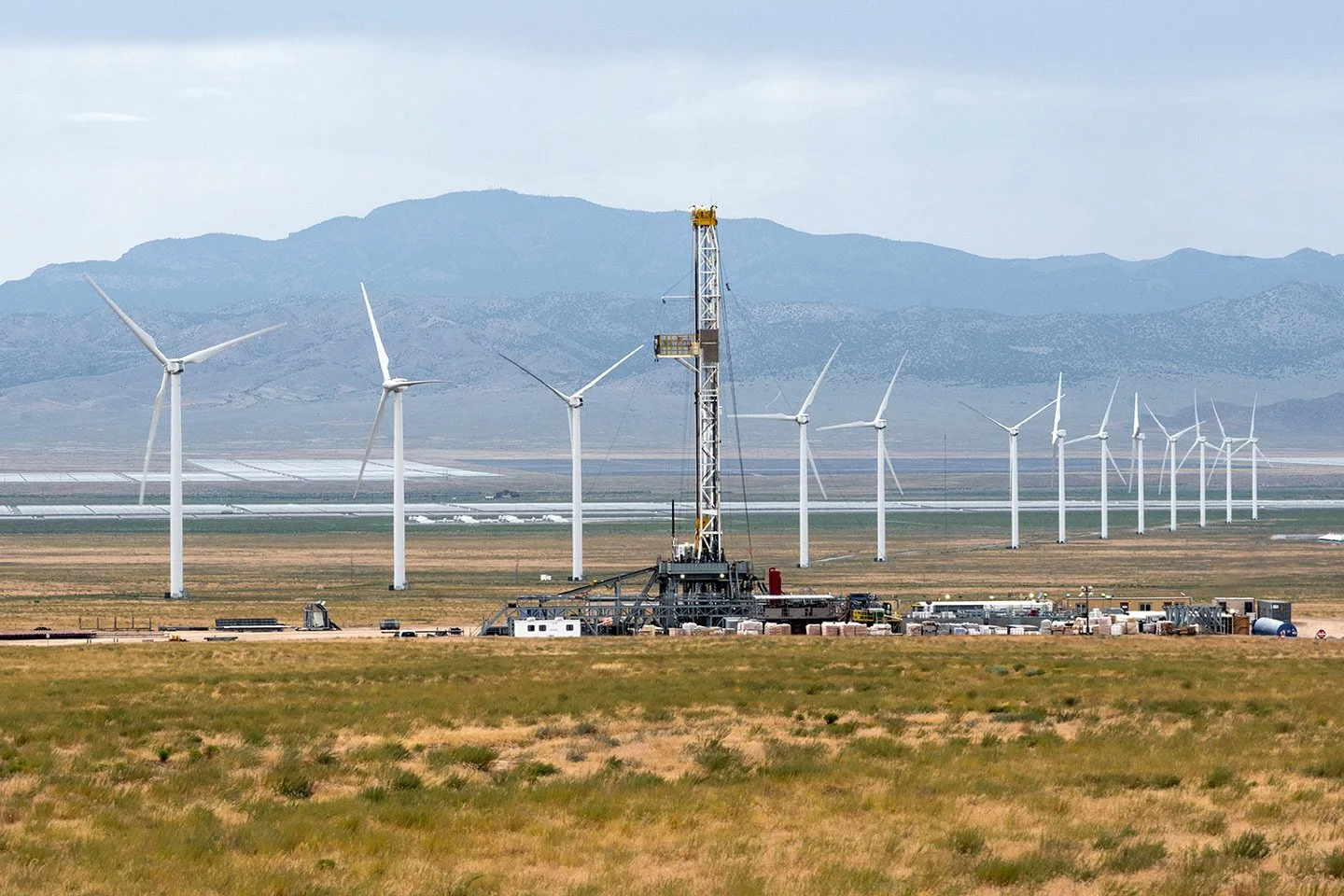
Renewable Workforce
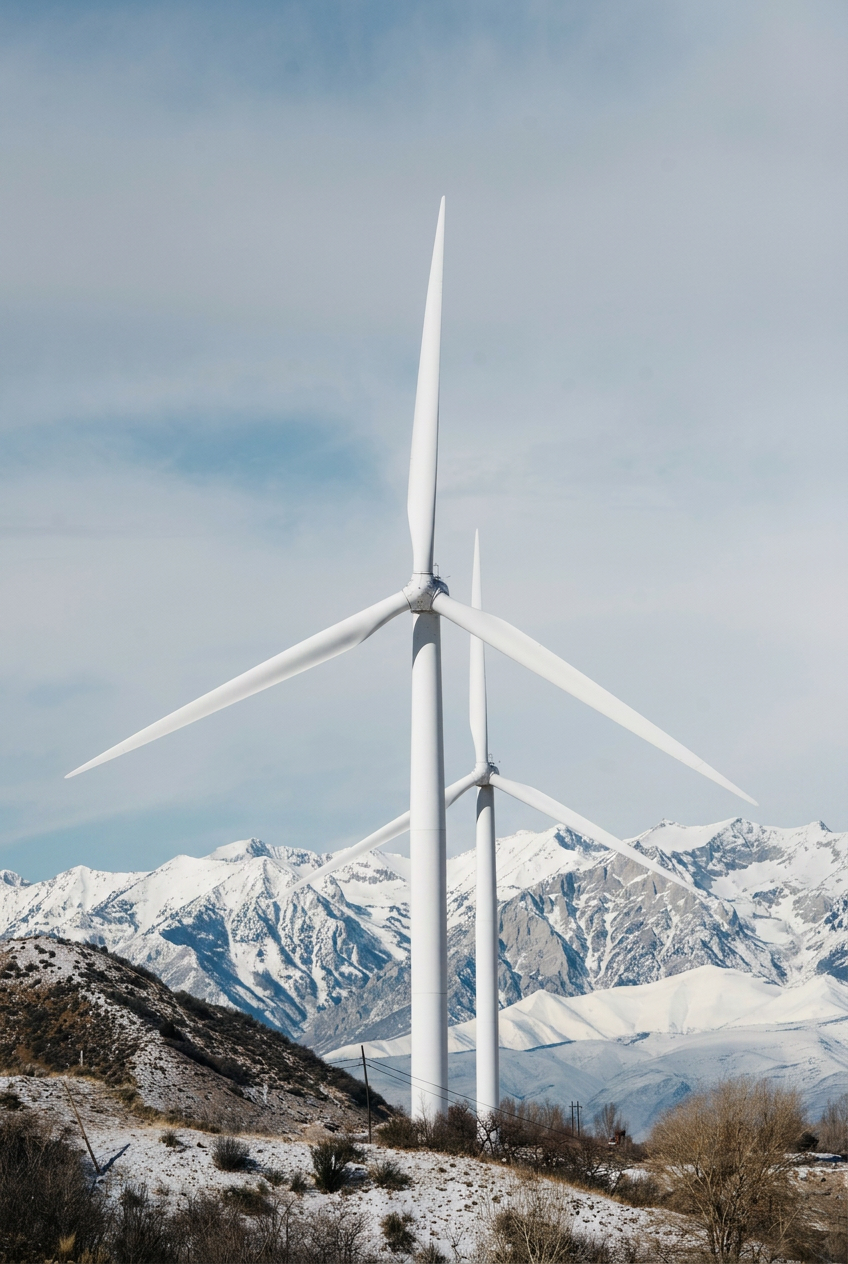
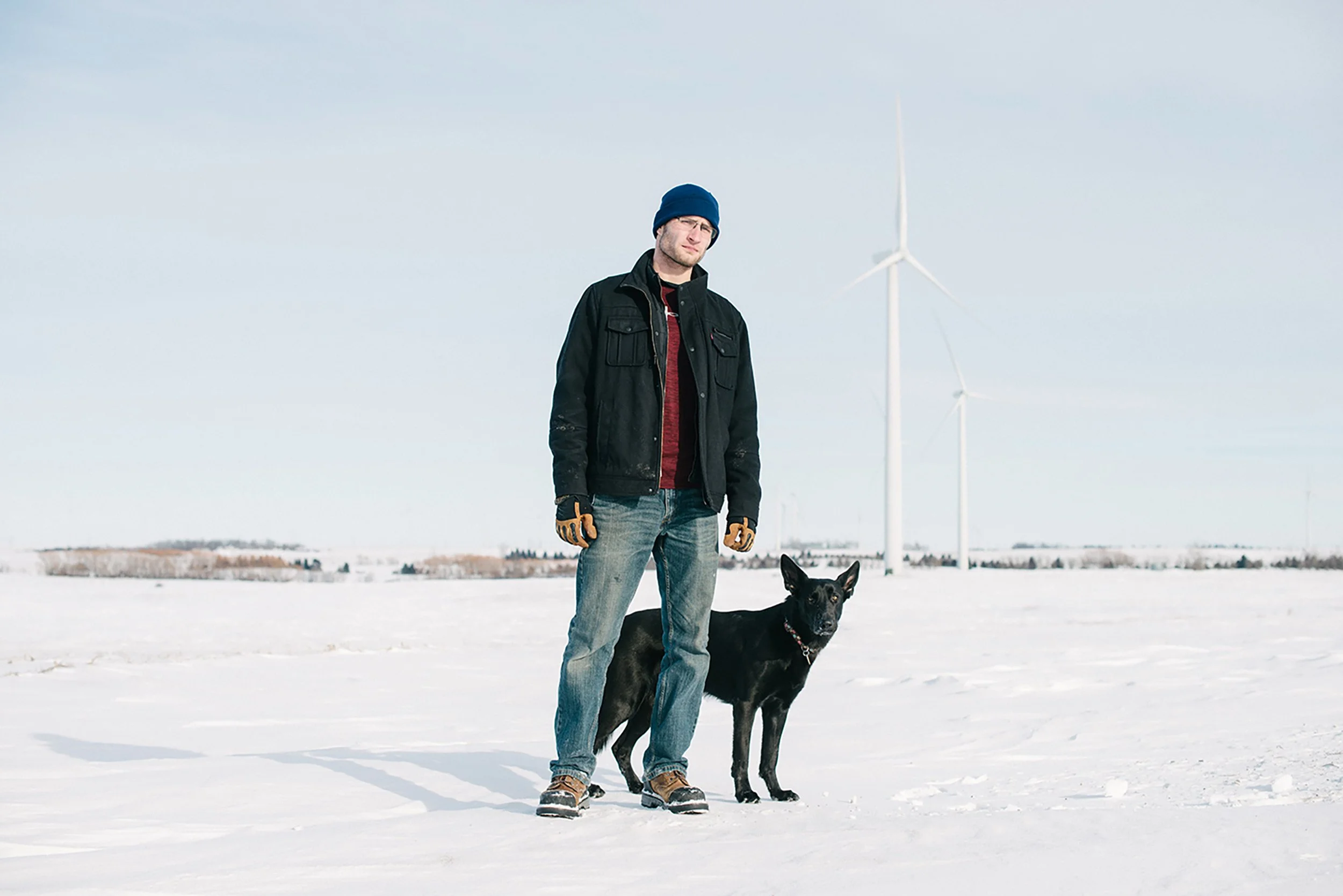
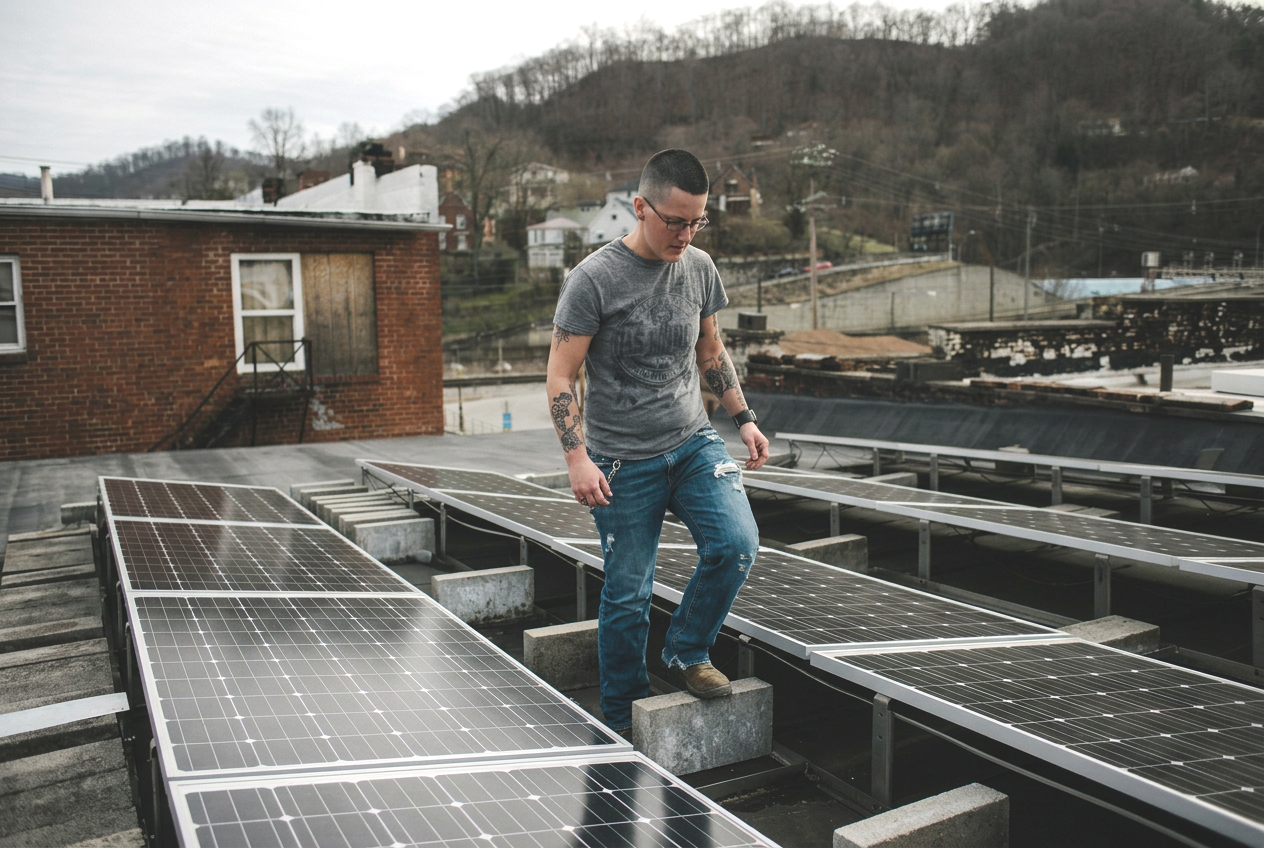
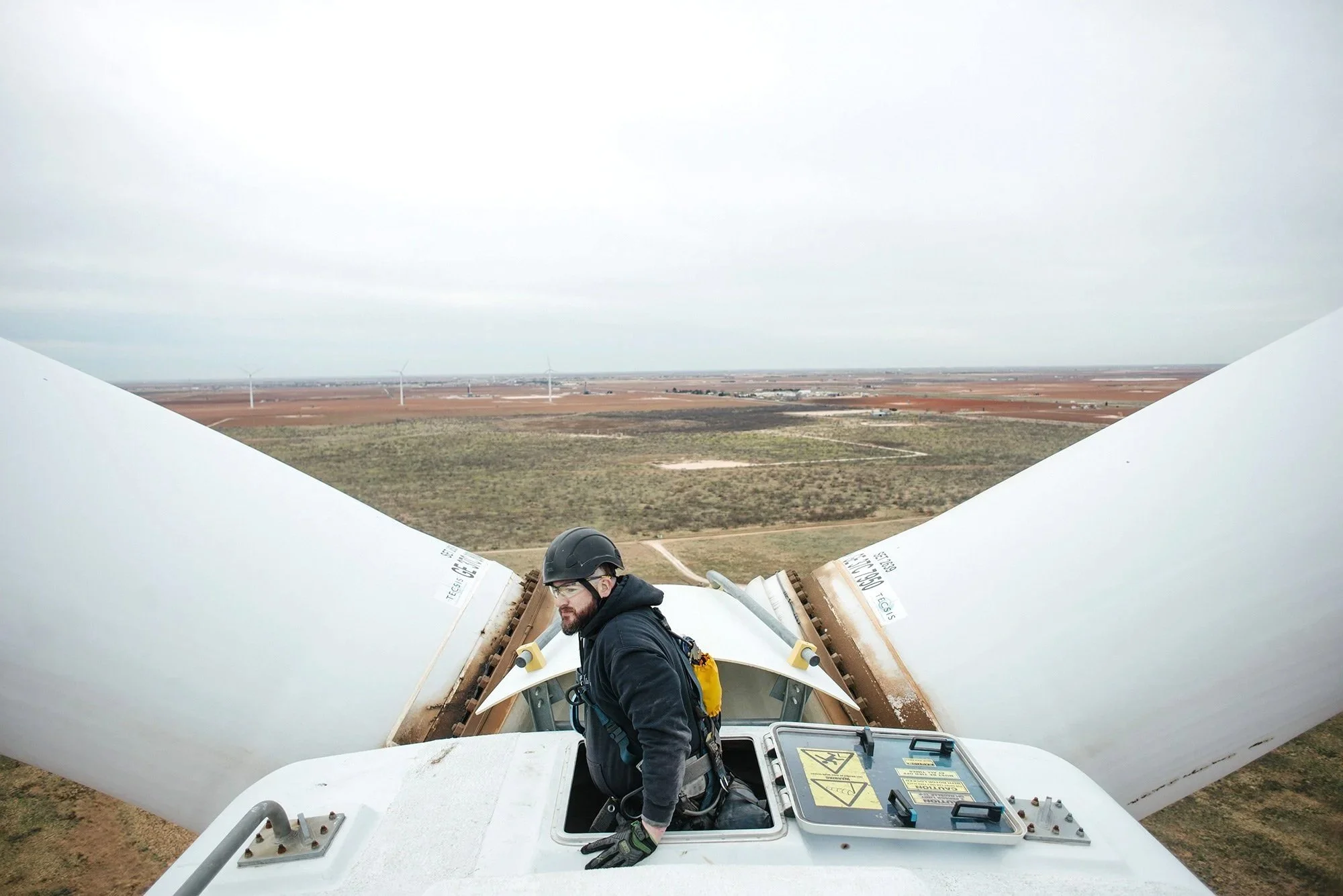
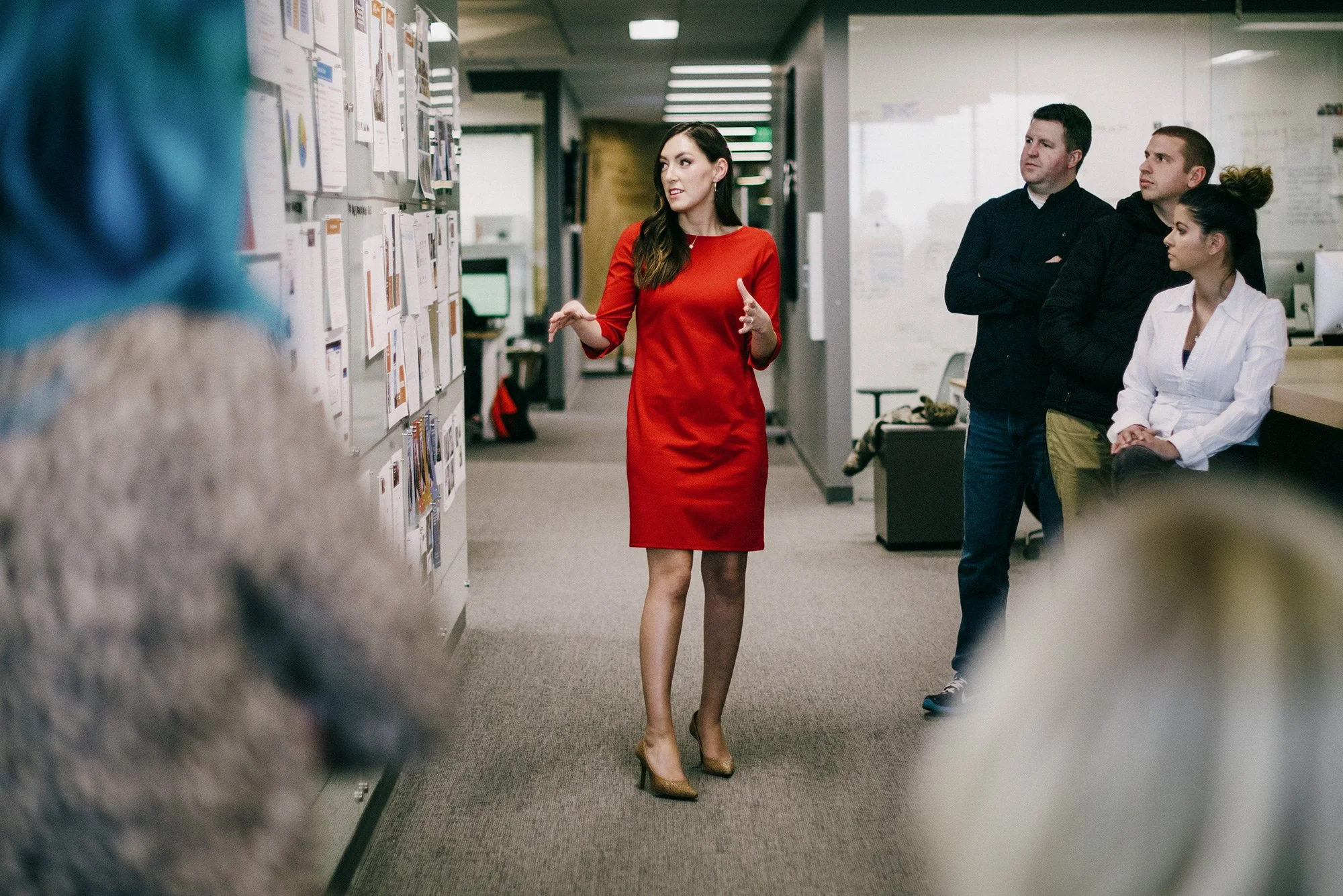
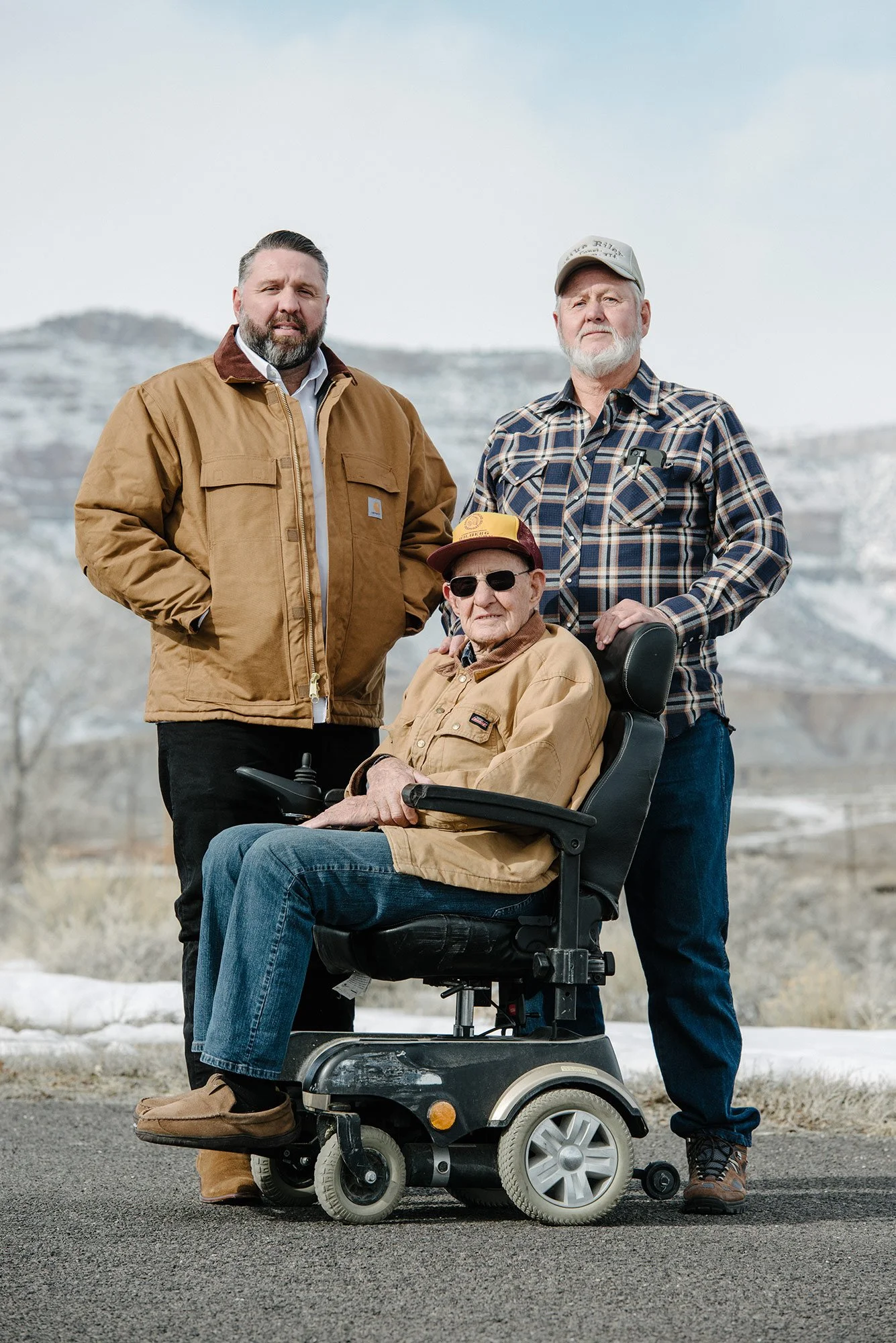
For The New York Times, I photographed workers whose family histories were rooted in coal, oil, refineries, and drilling, while their own jobs had moved into renewable energy. The assignment was not a simple story of one industry replacing another. It followed what people carried with them from one kind of work into another, and how new energy jobs were beginning to appear in places shaped by older forms of work.
EDITORIAL HIGHLIGHT/
THE NEW YORK TIMES
Changing Face of Energy:
They Grew Up Around Fossil Fuels. Now, Their Jobs Are in Renewables.
Story by John Schwartz
Photographs by Brandon Thibodeaux


CHAPTER TWO
Engineering Education / Workforce Pipeline
Other assignments looked at the next generation of energy workers: students, engineers, technical programs, and early-career professionals trying to understand where their skills would fit.
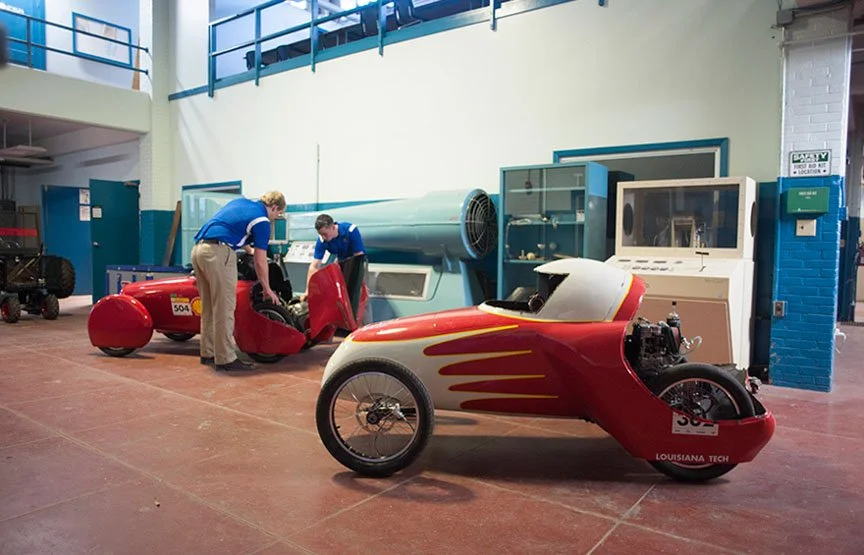
In classrooms, labs, competitions, and sponsored engineering programs, the larger energy story became practical. It showed up in prototypes, design problems, team decisions, testing, failure, adjustment, and the discipline of learning how systems work.
EDITORIAL HIGHLIGHT/
THE NEW YORK TIMES
The Pandemic Disrupts Young Oil Careers:
Recent graduates struggle to get hired as the oil industry cuts tens of thousands of jobs, some of which may never come back.
Story by Clifford Krauss
Photographs by Brandon Thibodeaux
CORPORATE COMMISSION/
SHELL ECO-MARATHON
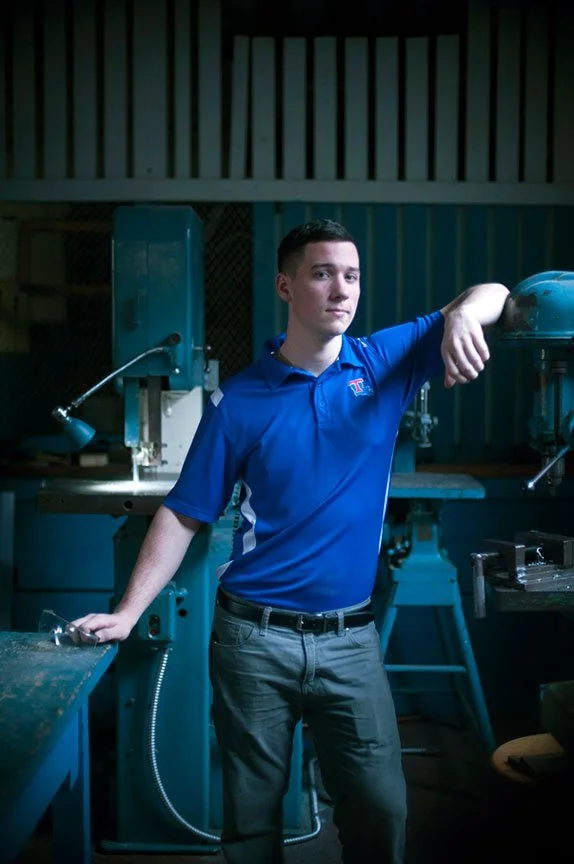
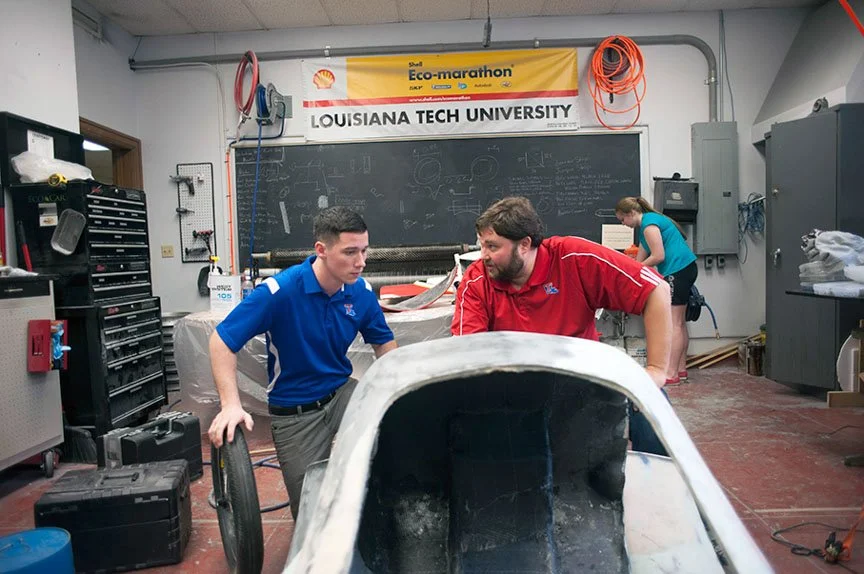
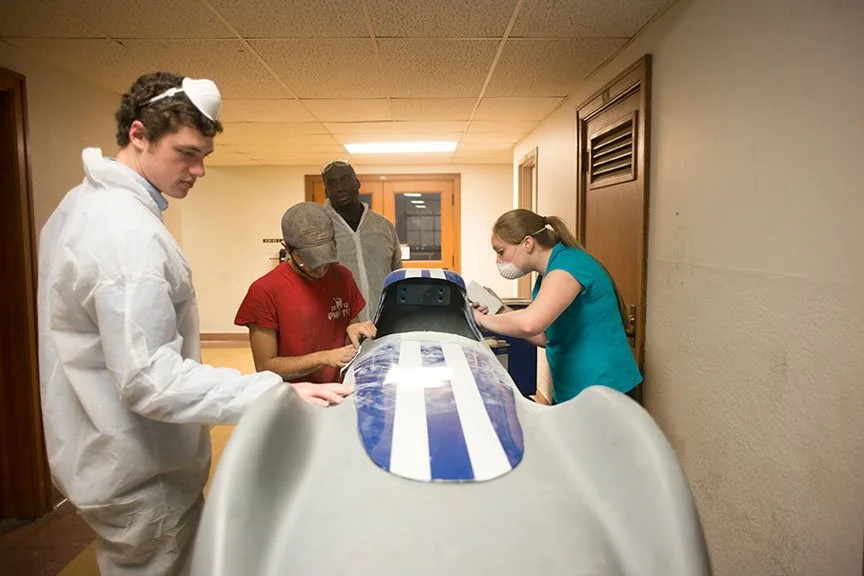
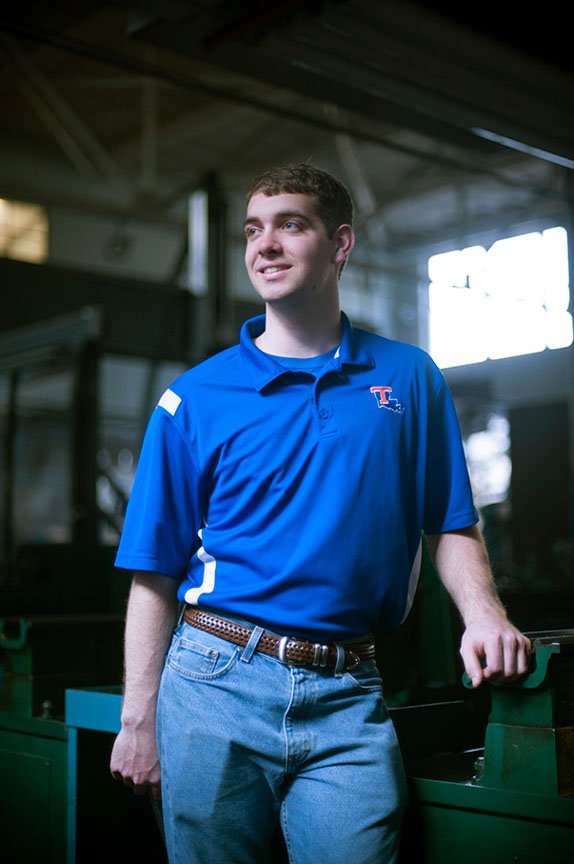
LA Tech Eco-Car:
A student engineering team designs and builds fuel-efficient vehicles for Shell Eco-marathon, where energy education becomes practical work in design, fabrication, testing, teamwork, and iteration.


CHAPTER THREE
Shale, Ports & Gulf Coast Infrastructure
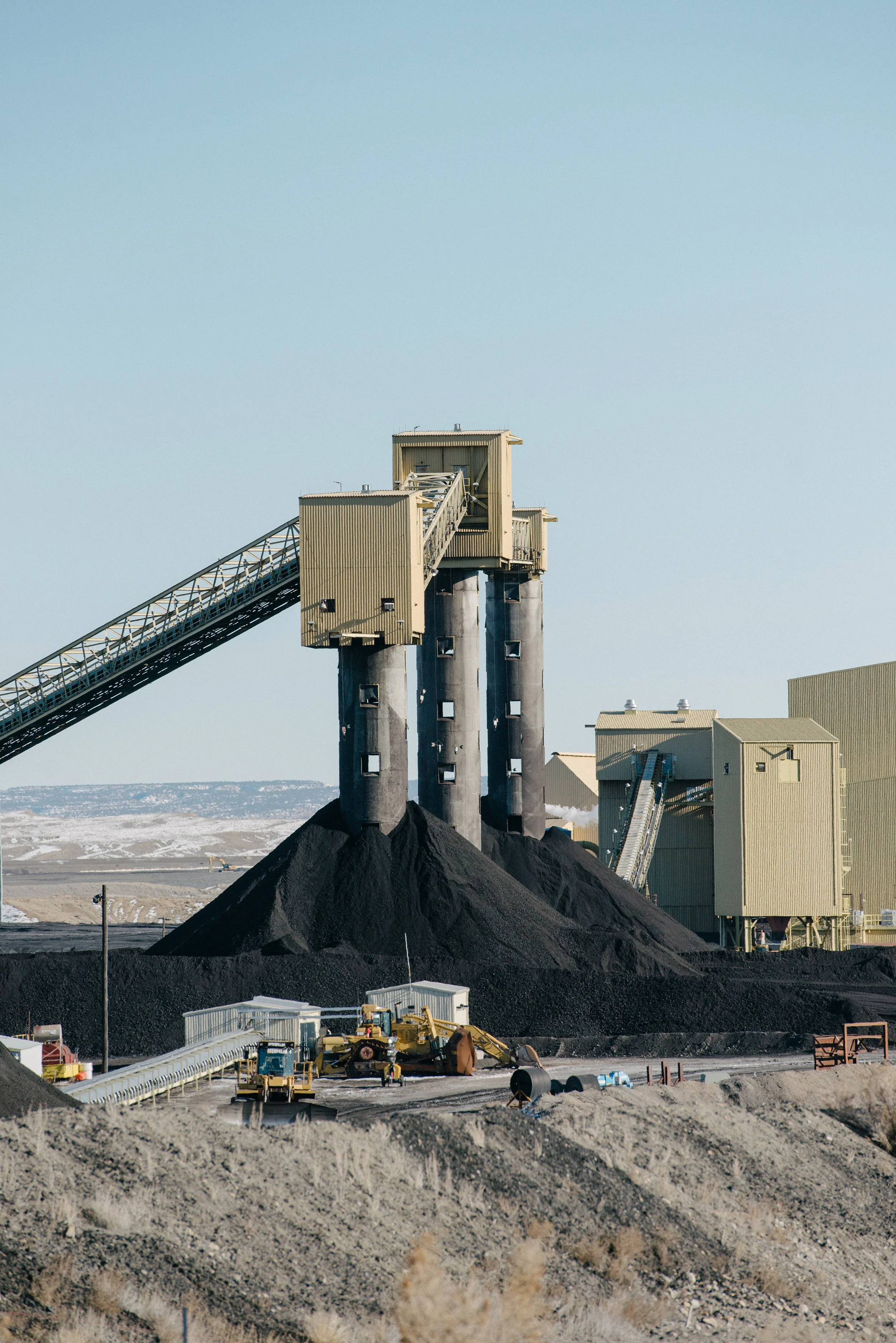
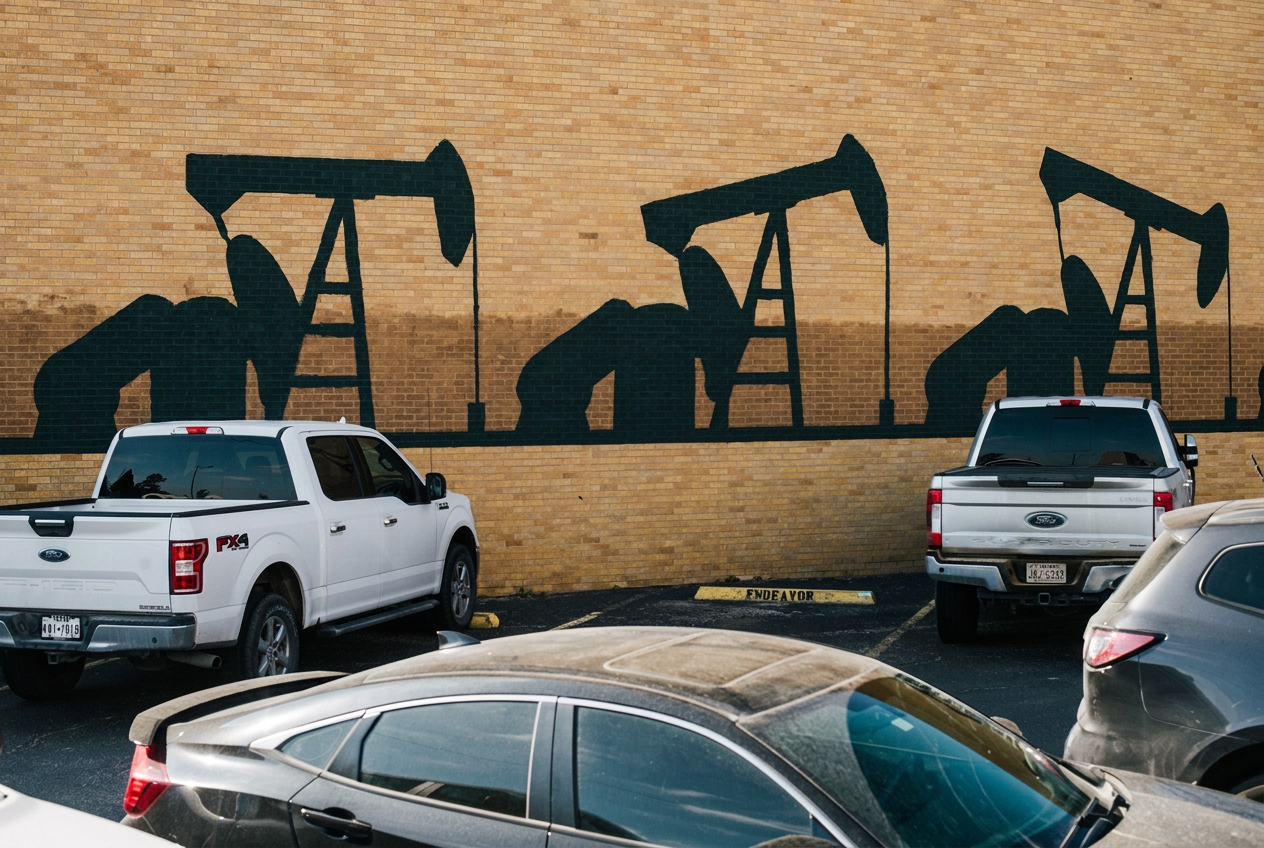
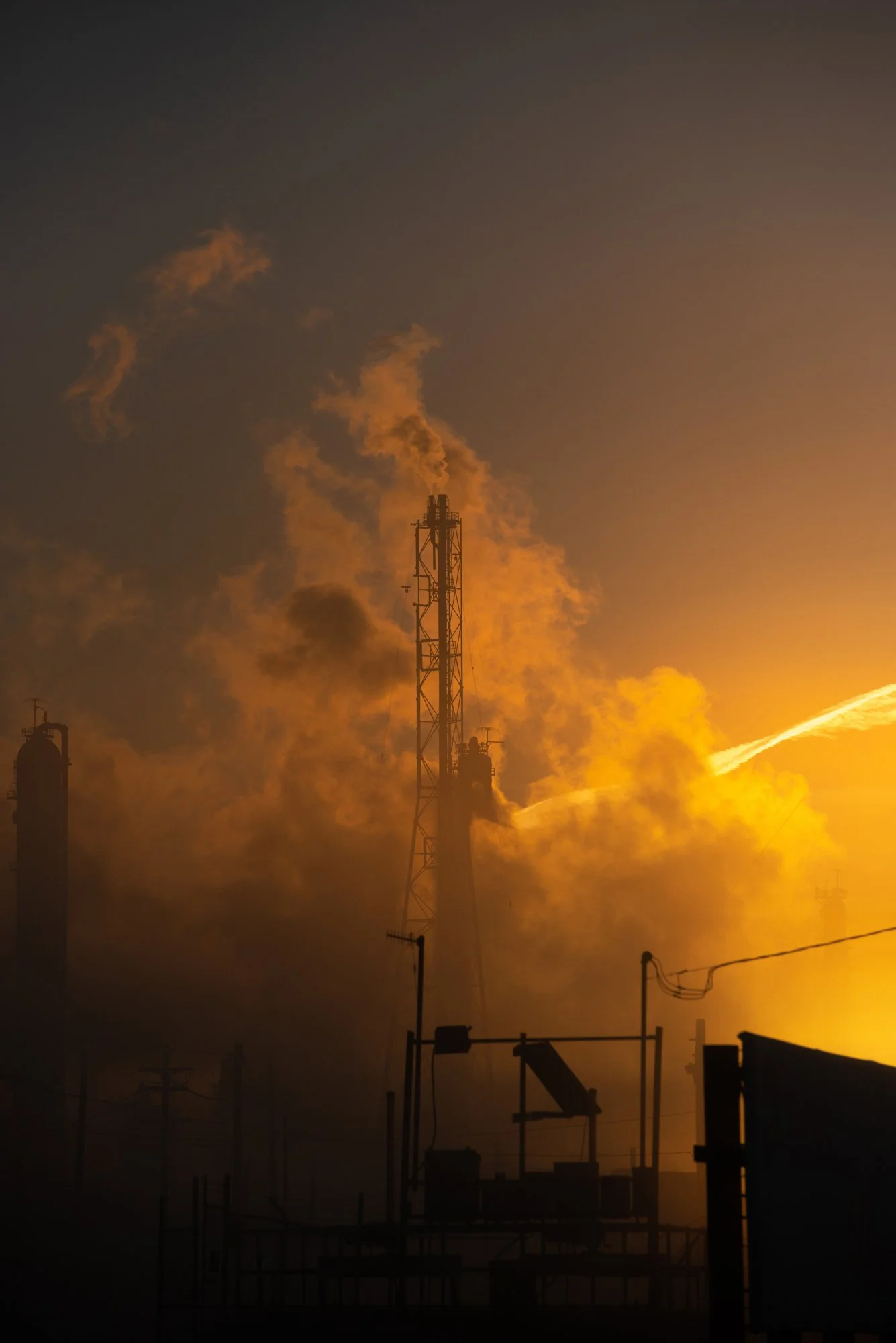
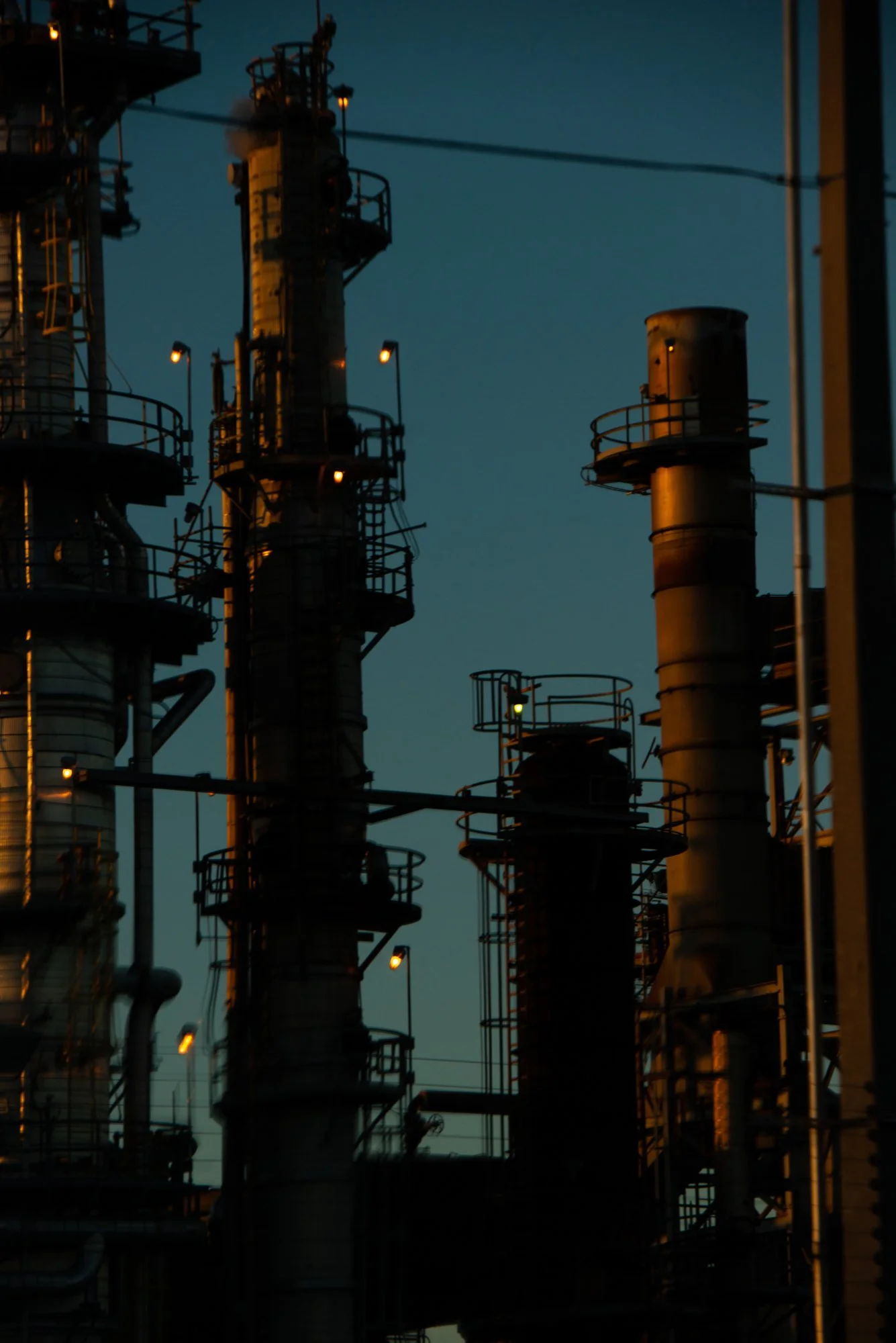
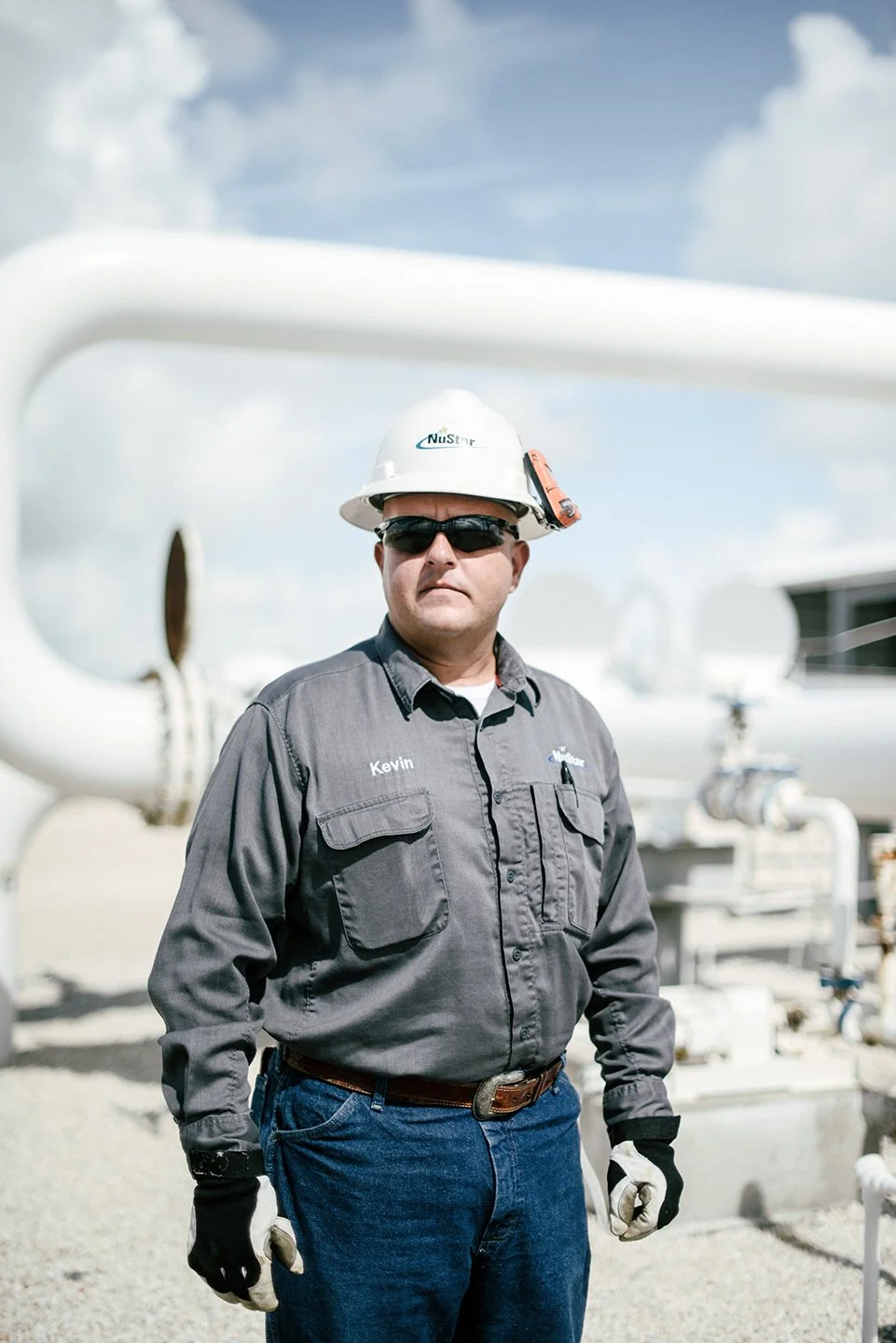
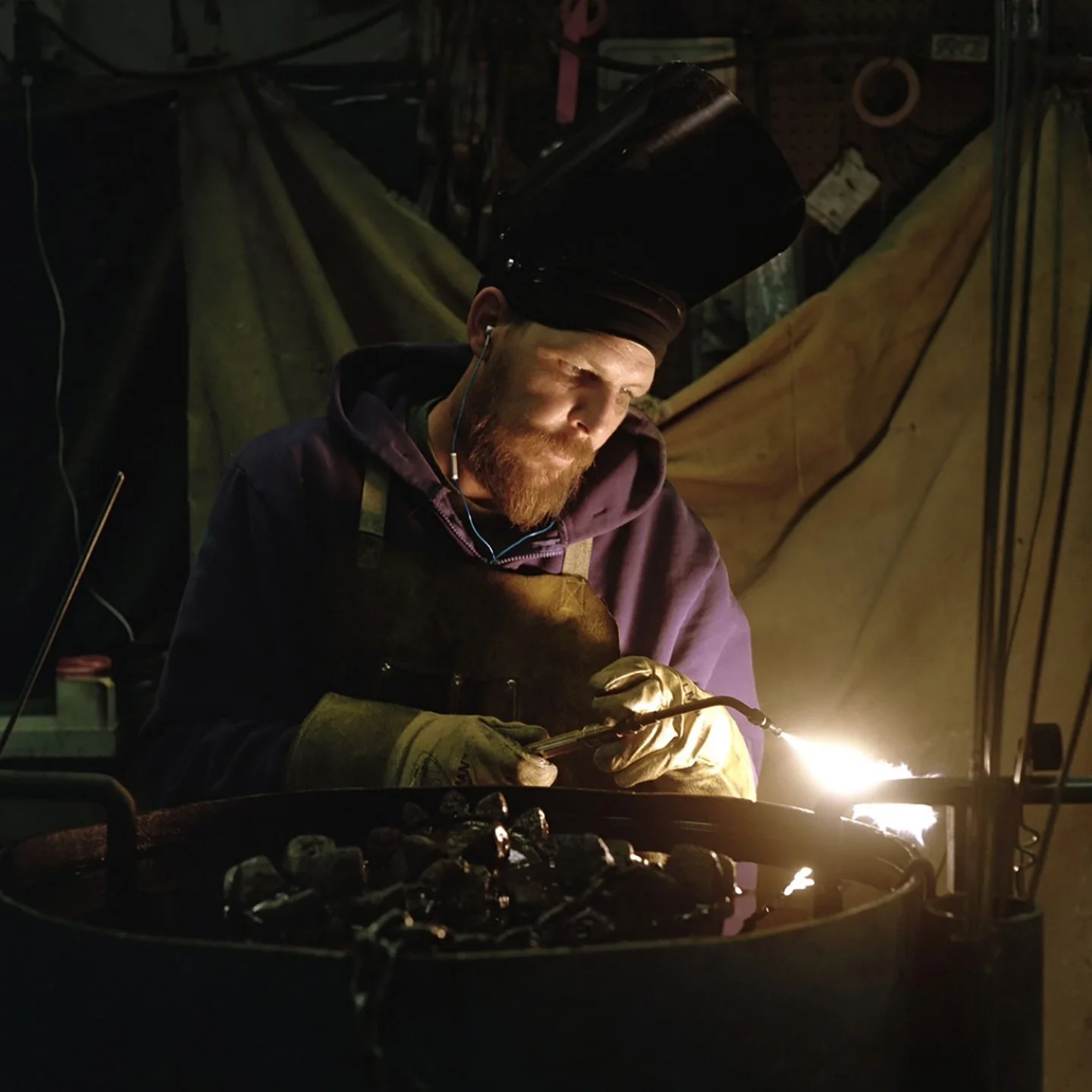
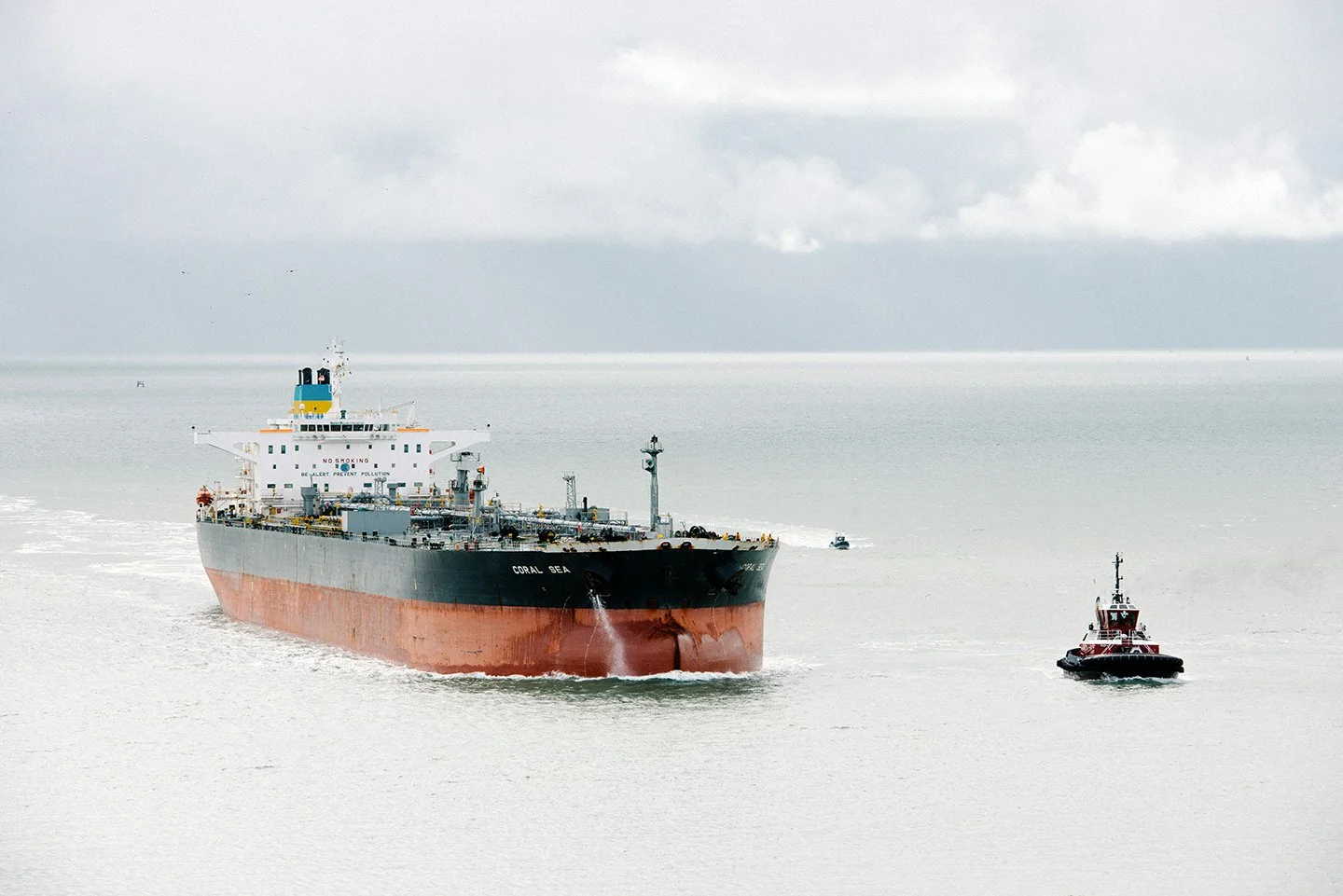
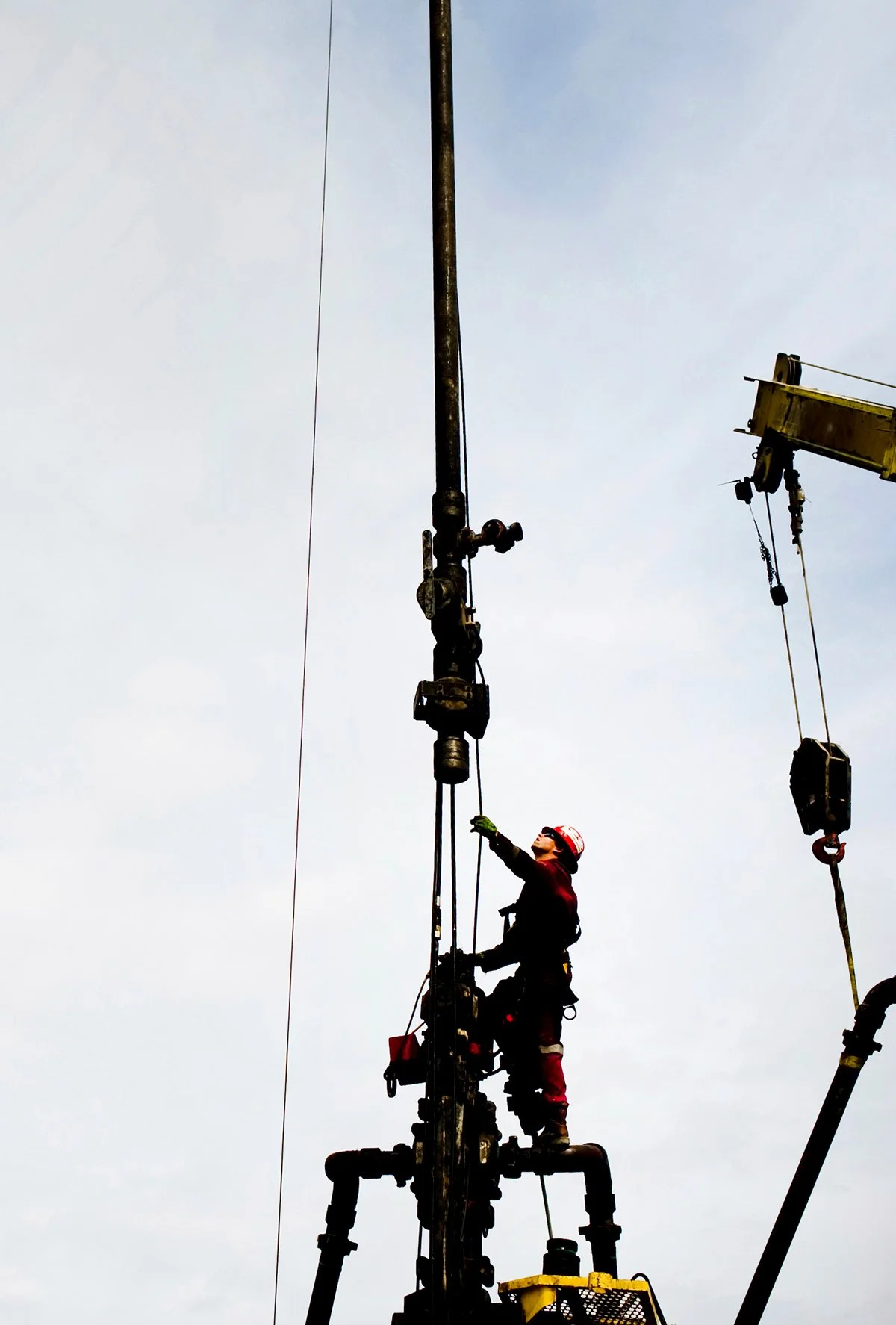
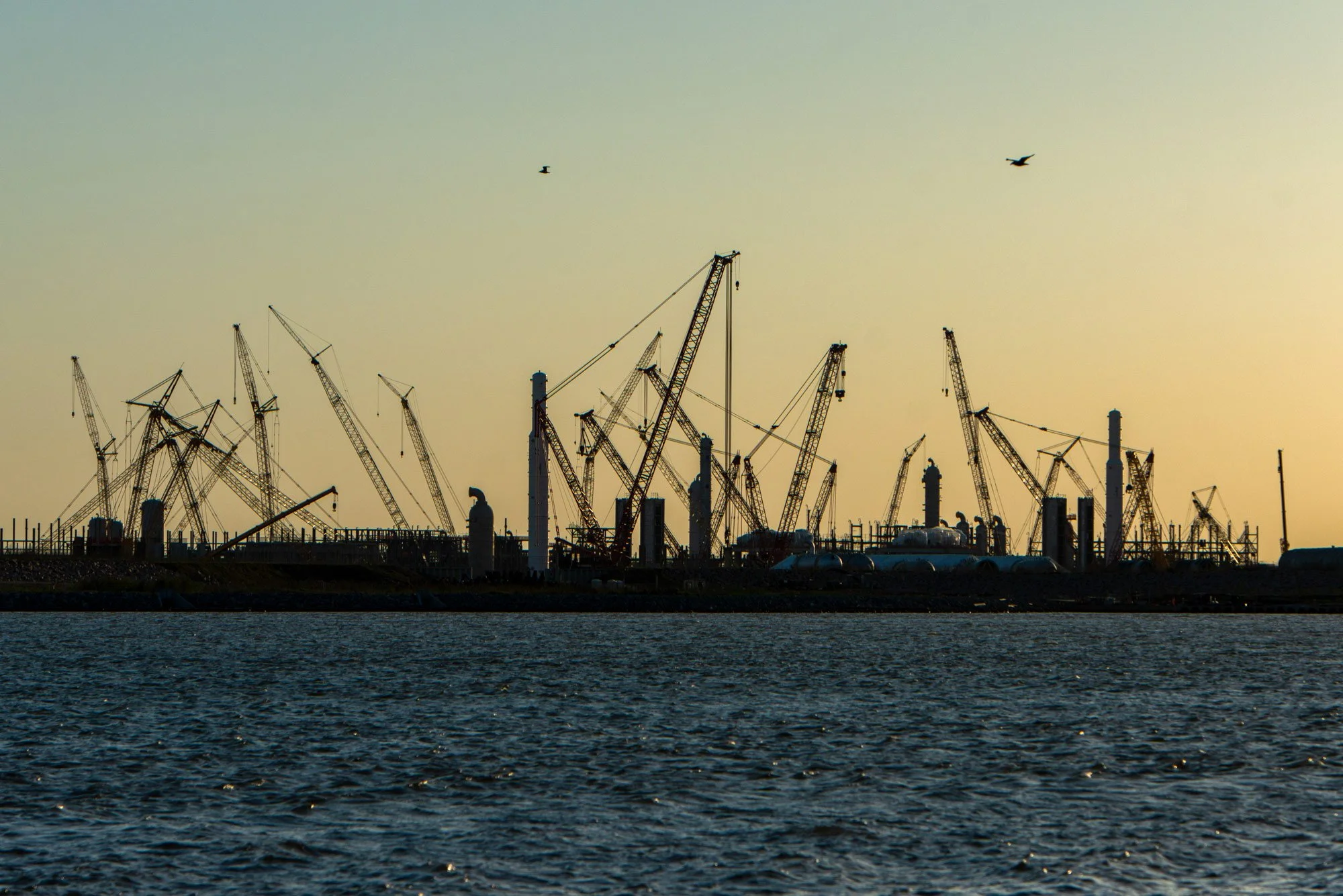
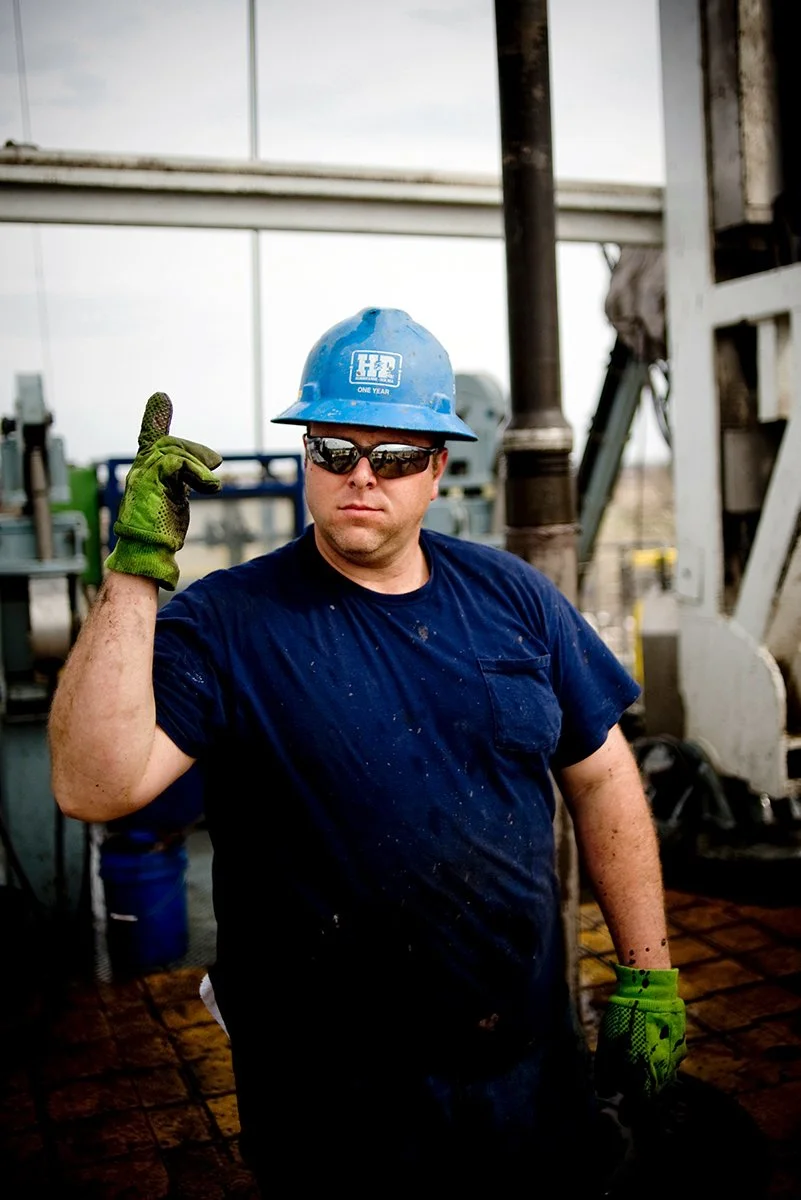
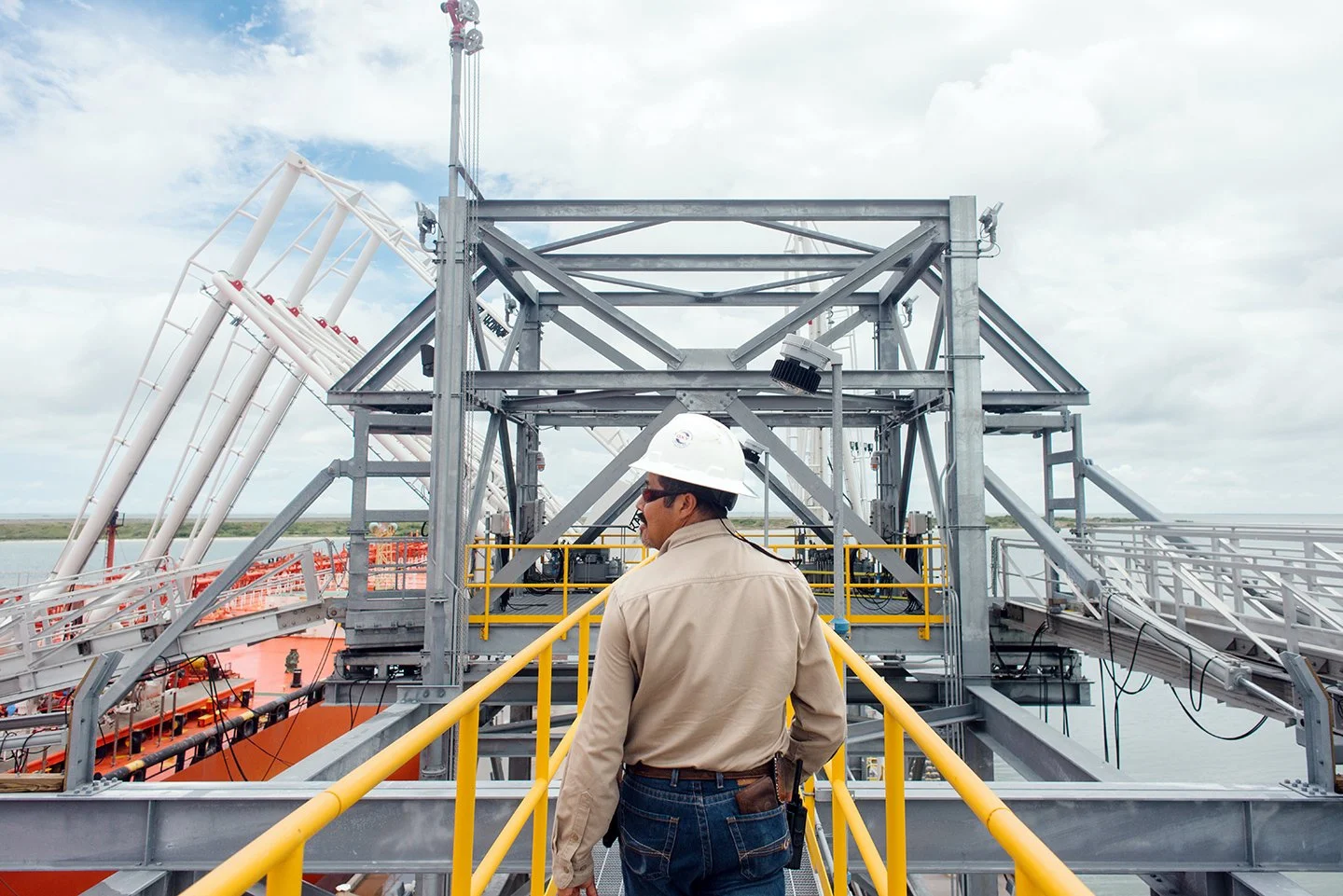
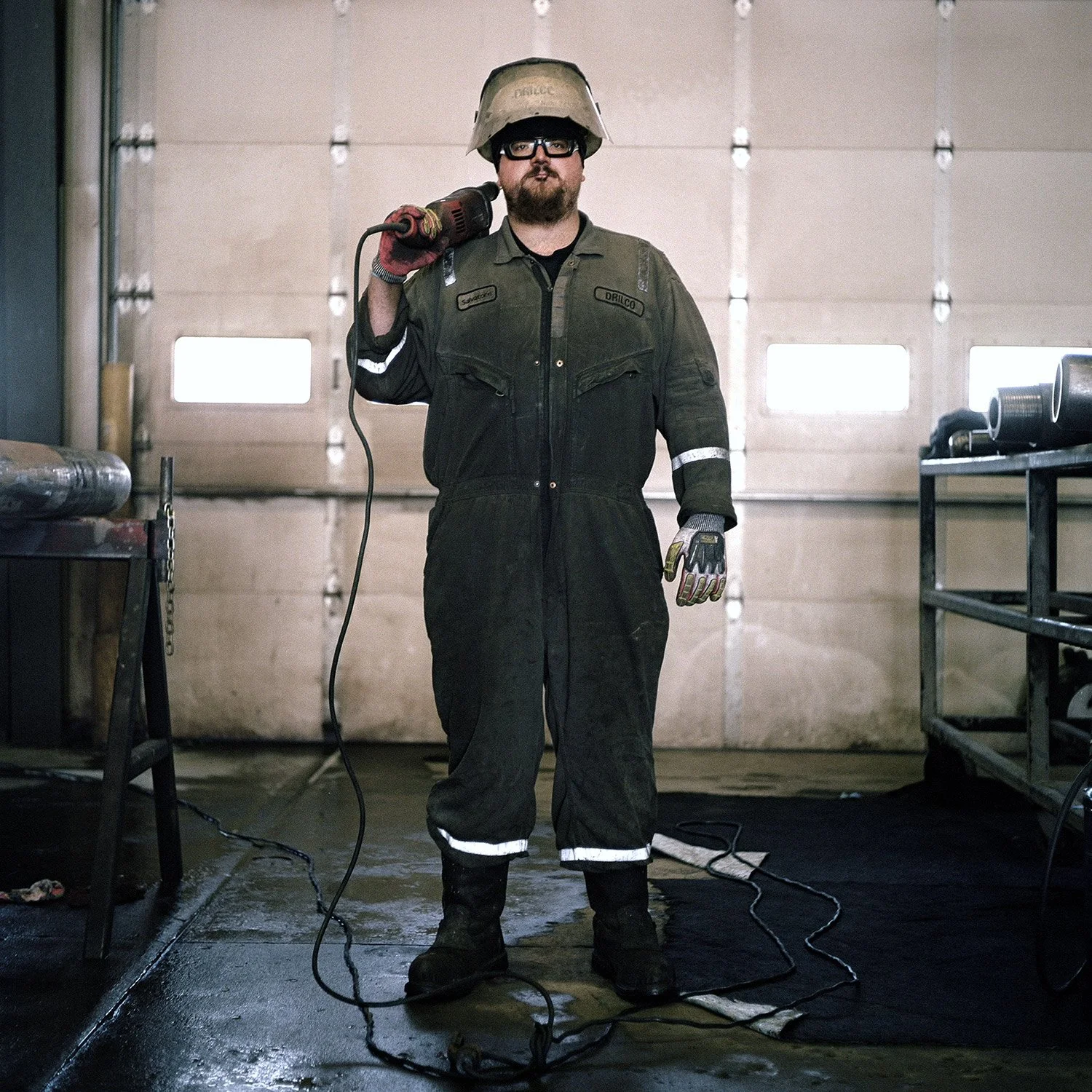
The shale boom changed the meaning of American energy infrastructure. In North Dakota and West Texas, drilling technology, labor demand, price swings, and global markets reshaped local economies. Along the Gulf Coast, those changes became visible through pipelines, ports, export terminals, vessels, and the industrial geography of moving domestic production outward.
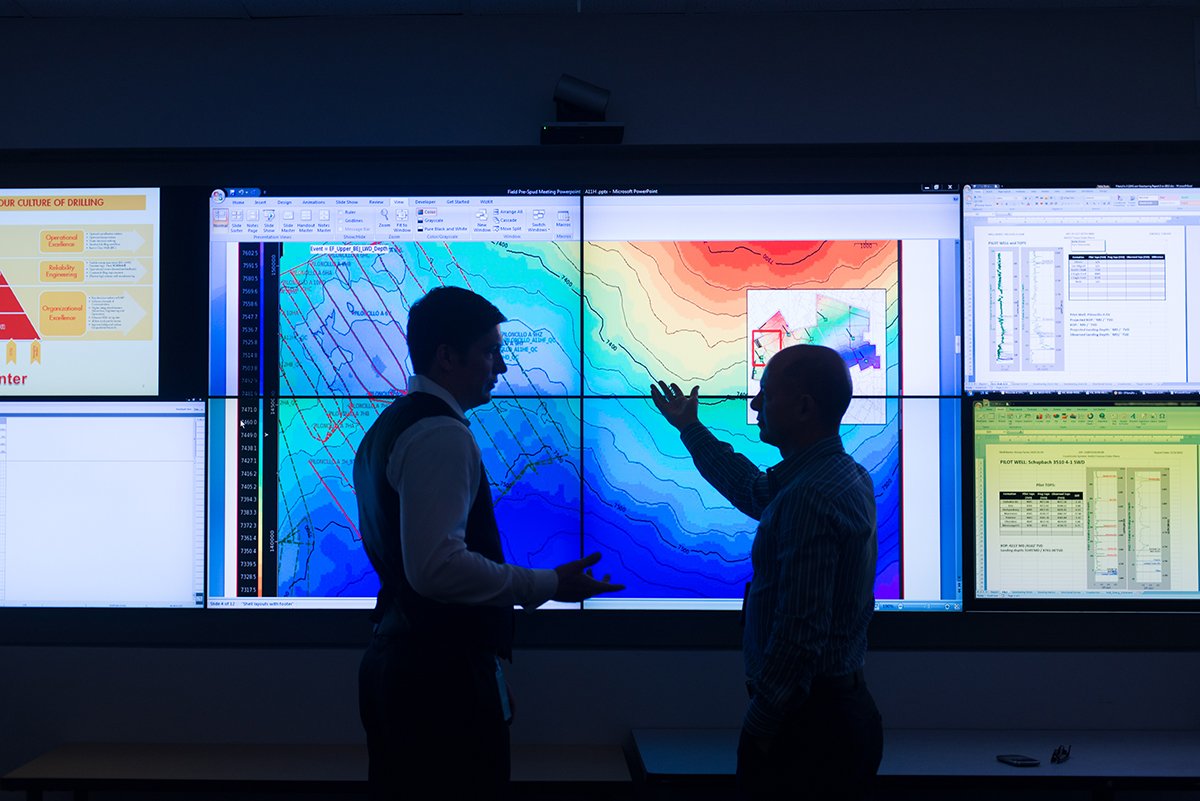
These assignments placed energy inside the spaces where it becomes real: roads, docks, yards, terminals, job offices, control rooms, and communities built around work that can expand quickly, contract painfully, and still remain central to the country’s sense of itself.
EDITORIAL HIGHLIGHT /
FINANCIAL TIMES
Permian Basin: High oil price breathes new life into US shale
Story by Myles McCormick
Photographs by Brandon Thibodeaux
Seven states, 3,000 miles: A trip across the US energy divide
Story by Derek Brower
Photographs by Brandon Thibodeaux
EDITORIAL HIGHLIGHT /
THE NEW YORK TIMES
Oil Exports, Illegal for Decades, Now Fuel a Texas Port Boom: Crude from West Texas shale fields is increasingly making its way abroad as a pipeline system is expanded to take it to market through Corpus Christi.
Story by Clifford Krauss
Photographs by Brandon Thibodeaux
RELATED WORKS
ENERGY & INFRASTRUCTURE
The assignments gathered here connect to a broader body of editorial and corporate work around energy, infrastructure, technical environments, and industrial communication.
Across these projects, the through-line is the same: complex work becomes more understandable when people can see who is doing it, where it happens, what it requires, and why it matters. That applies whether the subject is a renewable energy worker, a student engineering team, a shale boomtown, a Gulf Coast port, a data center, an offshore operations center, or a manufacturing floor.
The work is not only to make strong photographs. It is to build a visual record that helps organizations explain scale, process, labor, place, and change.
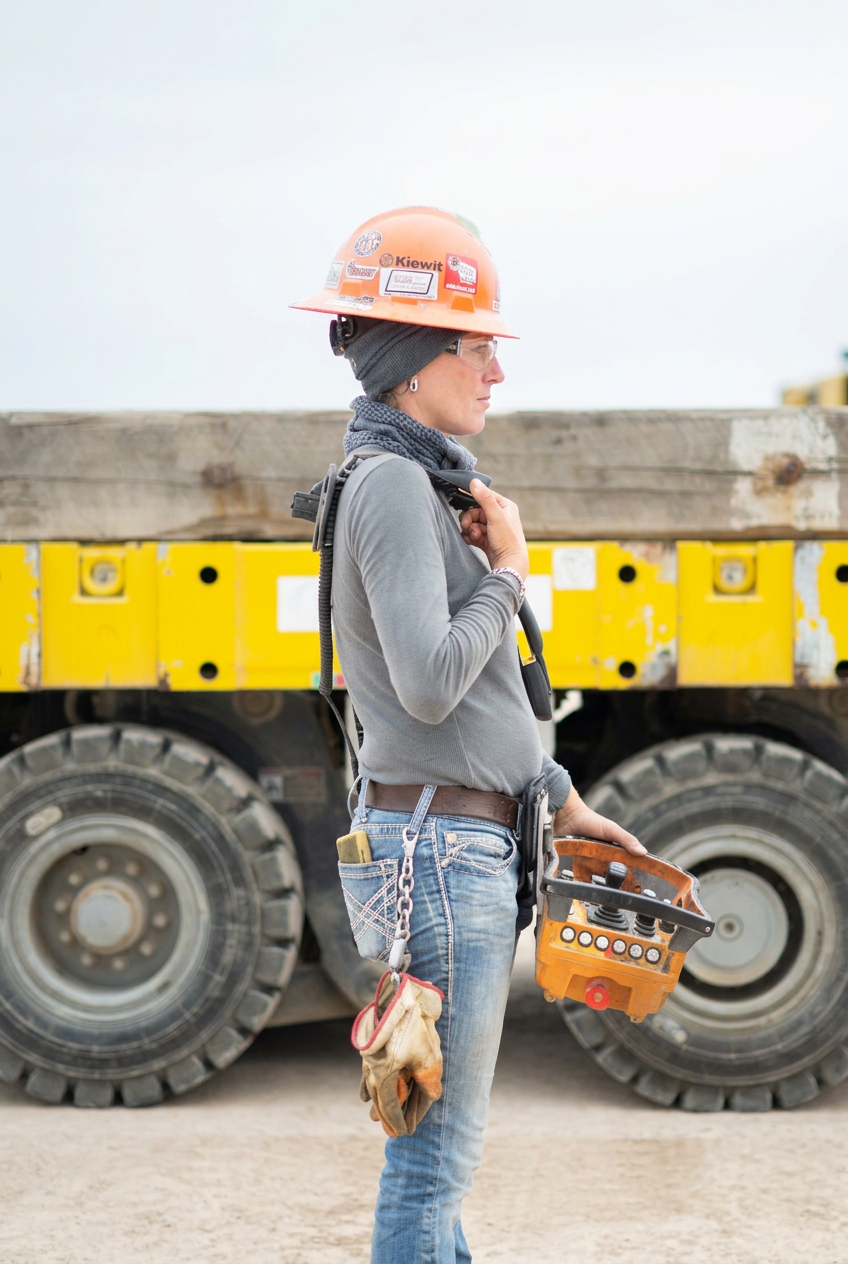
CONOCOPHILLIPS / WILLOW PROJECT
FIELD OPERATIONS
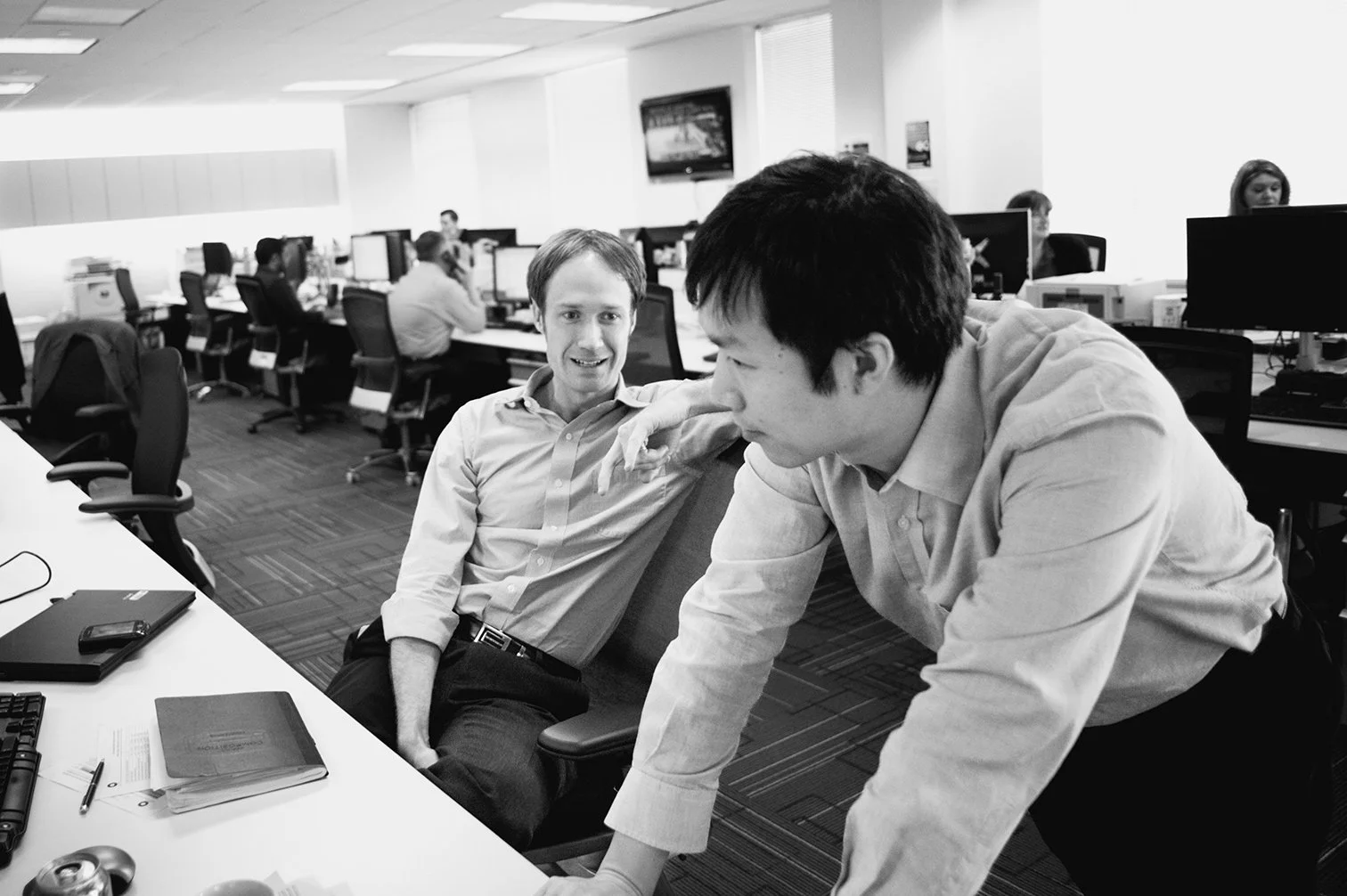
MACQUARIE COOK ENERGY /
CORPORATE CULTURE
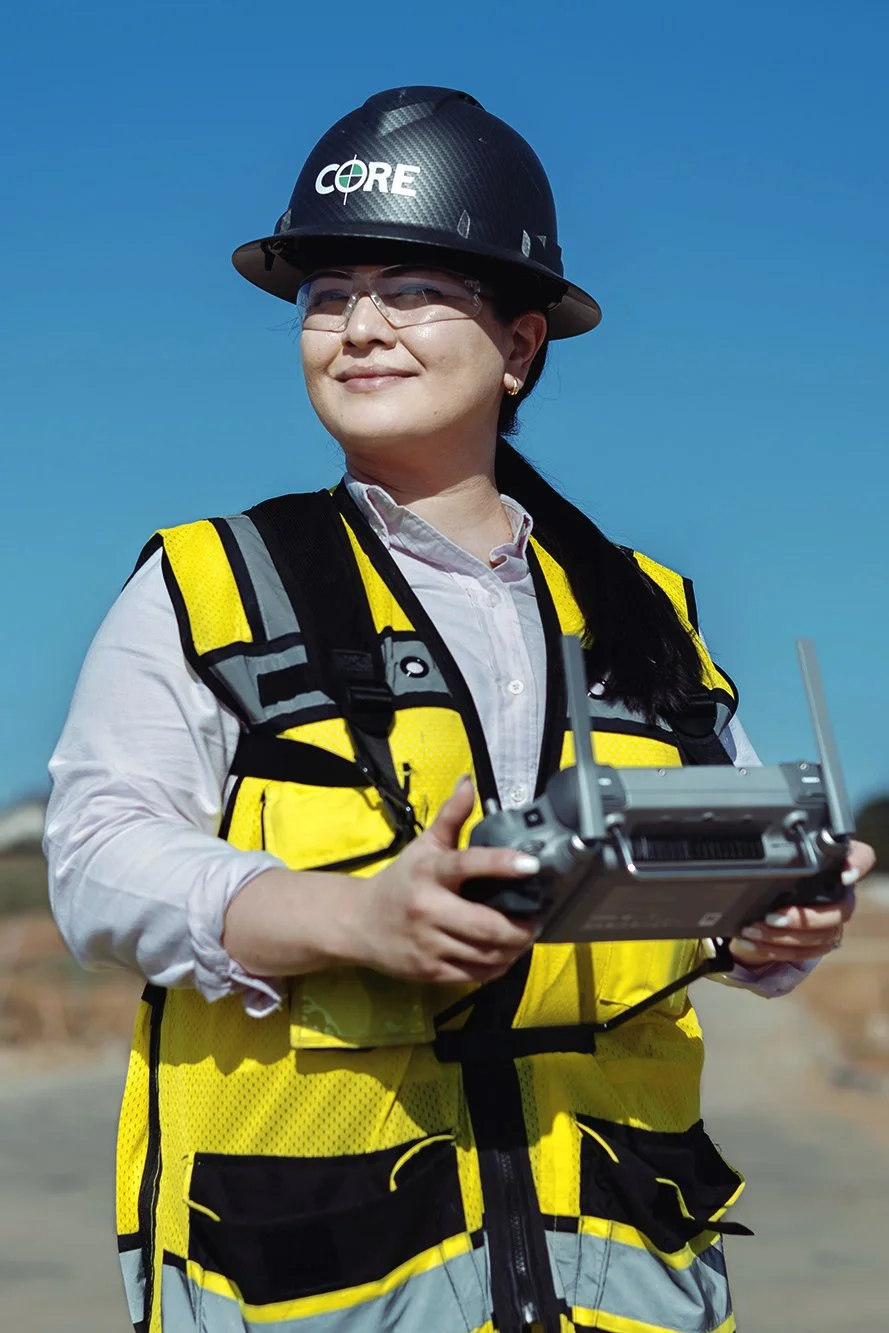
CORE CONSTRUCTION /
CORPORATE COMMUNICATIONS
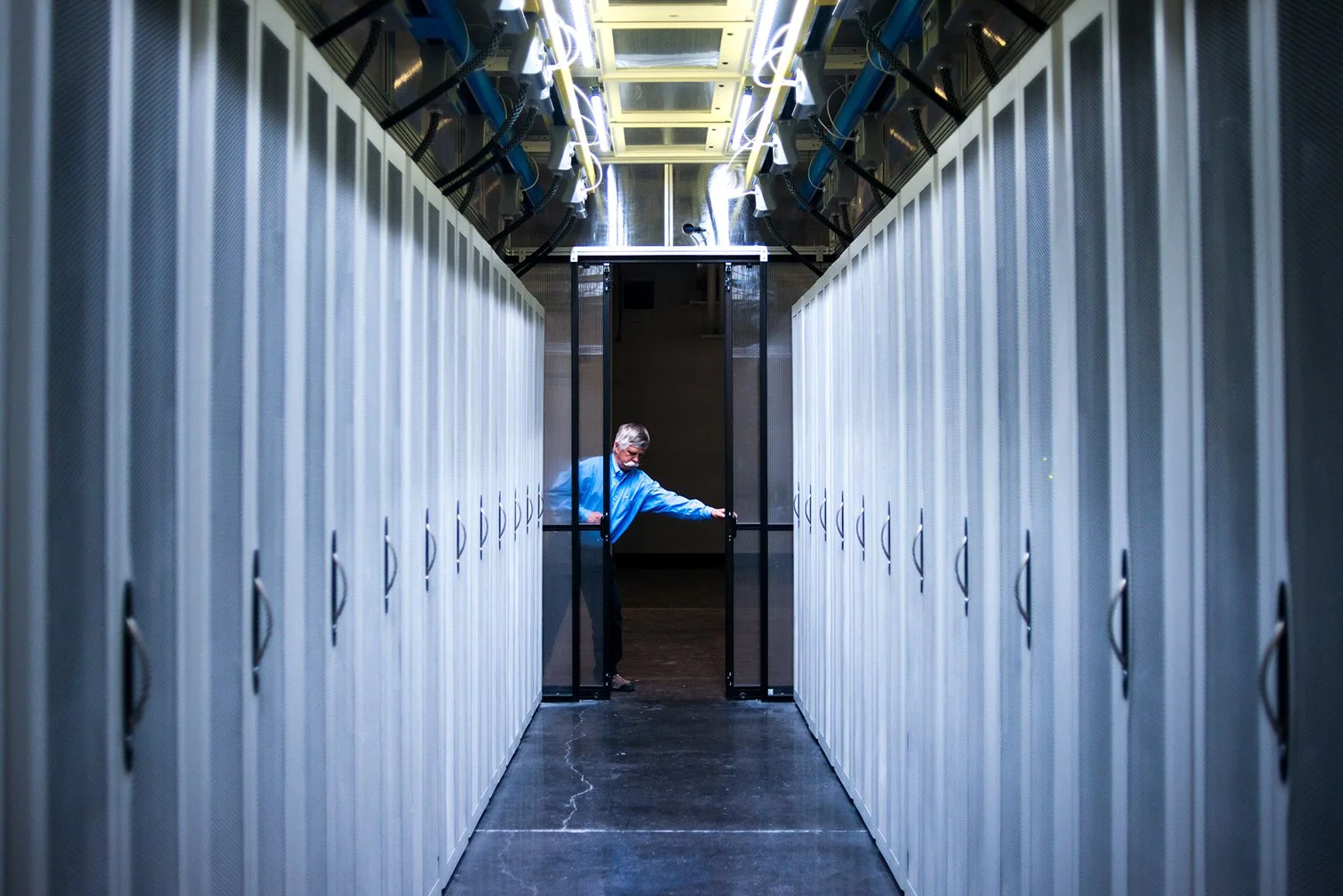
DIGITAL REALTY / DATA CENTERS
VISUAL ARCHIVE DEVELOPMENT